


Image this: You’re on the gate, sneakers pinching after a protracted stroll via the terminal, and you already know you packed your flats. They’re proper there, someplace in your carry-on. However attending to them means hoisting the bag onto a bench, unzipping the clamshell, and watching your rigorously packed garments threaten to spill out onto the airport ground. By the point you’ve wrestled the bag again collectively, your flight is boarding.
It’s a situation that has performed out in airports for many years—as a result of for all of the advances in supplies and wheels and monitoring know-how, the elemental structure of the carry-on suitcase has barely modified. Open from the center, cut up in half, dig round, repack, repeat.
July, the 7-year-old Australian travel brand that has constructed a following by rethinking luggage design, is betting there’s a greater approach. On April 23, the corporate launches the Capsule Carry-On, a $395 bag constructed round a top-down packing system, with a lid that opens on the prime quite than splitting the bag in half. It’s a guess that goes past product design: As rivals fold and struggle, July believes that actual engineering breakthroughs—not simply new colorways—are what maintain a baggage model alive.
It’s a design shift that sounds easy, however it wasn’t. It required fixing a posh engineering drawback. Normal carry-ons are made out of polycarbonate sheets vacuum-formed into form. The sheets should have a sure thickness, in any other case the plastic weakens. That’s an issue when your design requires a deep base and a slim lid. July’s resolution was to engineer a single-piece shaped shell that has a constant thickness all through—a producing feat that required shut collaboration with its manufacturing unit companions to tug off.
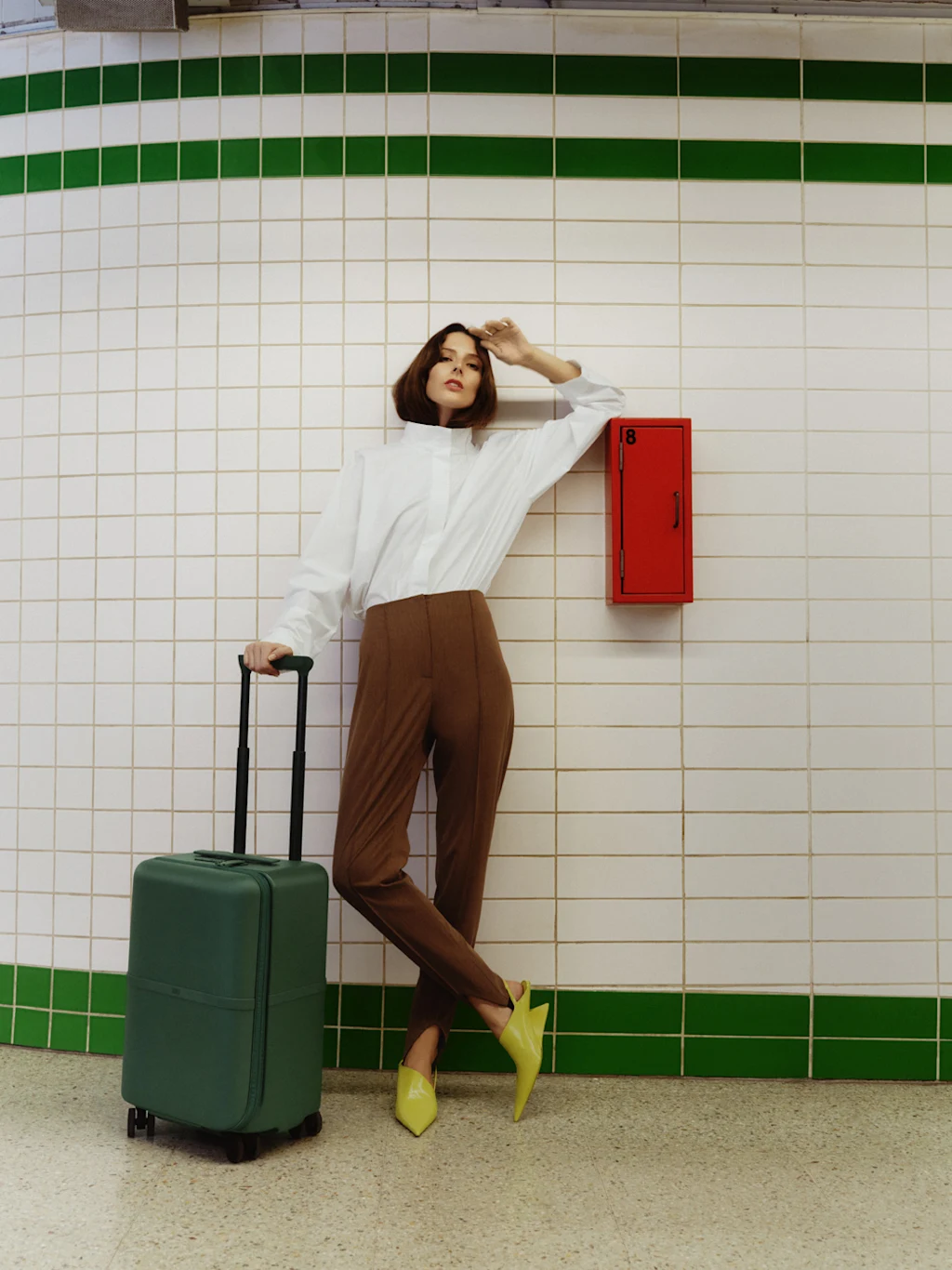
July’s design group is consistently gathering suggestions from vacationers because it develops merchandise. The perception that drove this design got here from conversations with Quantas flight attendants, who frequently have to swap sneakers mid-shift however have nowhere to put a suitcase down within the galley of an plane. July’s reply was to create the “QuickGrab” characteristic—a pocket that’s accessible if you open the lid of the Capsule, permitting you to shortly entry gadgets inside your bag.
“If you wish to change from heels to flats or seize a . . . jumper, you may simply shortly seize it whereas standing up,” says July cofounder Athan Didaskalou.
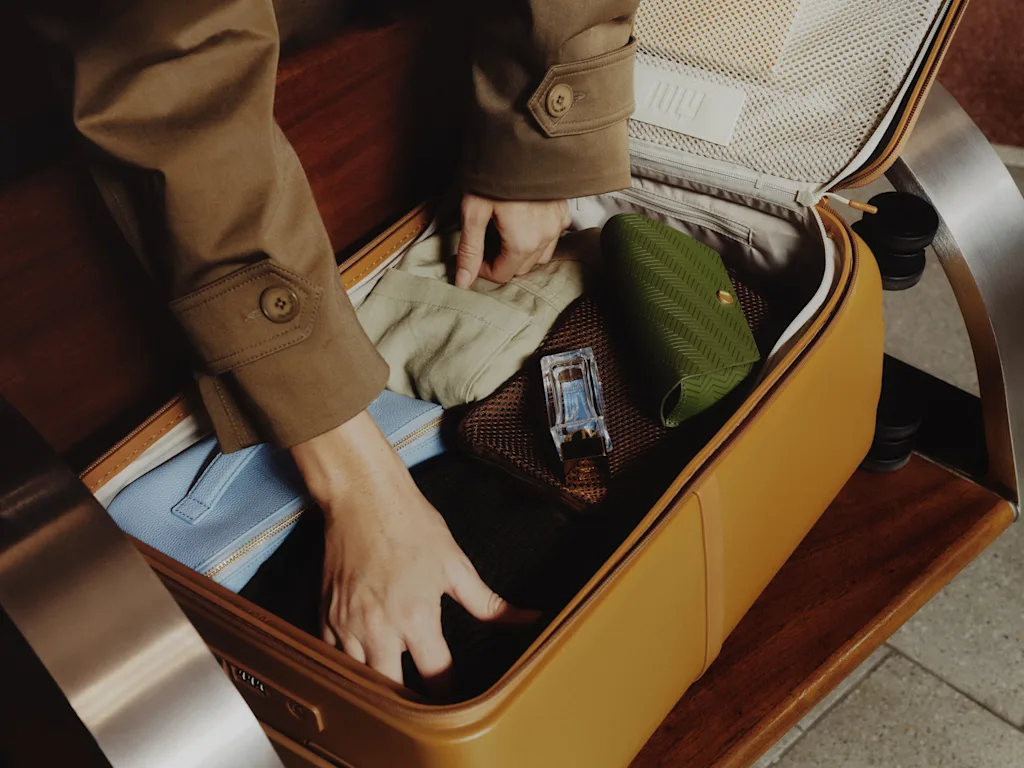
The format additionally transforms the expertise at your vacation spot. With a clamshell suitcase, you want sufficient area to unzip it so you may entry each compartments. They don’t match on most lodge baggage racks. For those who’re in a tiny New York lodge, there will not be sufficient area wherever however the mattress. “ you’ve been rolling your suitcase throughout soiled streets, however you don’t have any selection however to put it in your clear new bedsheets,” Didaskalou says.
With the Capsule design, you may merely put the bag down and open the lid. It takes up roughly half the footprint. Didaskalou additionally says it modifications the varieties of things you may pack. You possibly can lay a hat or a basketball contained in the suitcase and easily shut the highest. With a clamshell, this stuff can be crushed by the center divider. “It’s a small reconfiguration of area, however it opens up a spread of prospects,” he says.
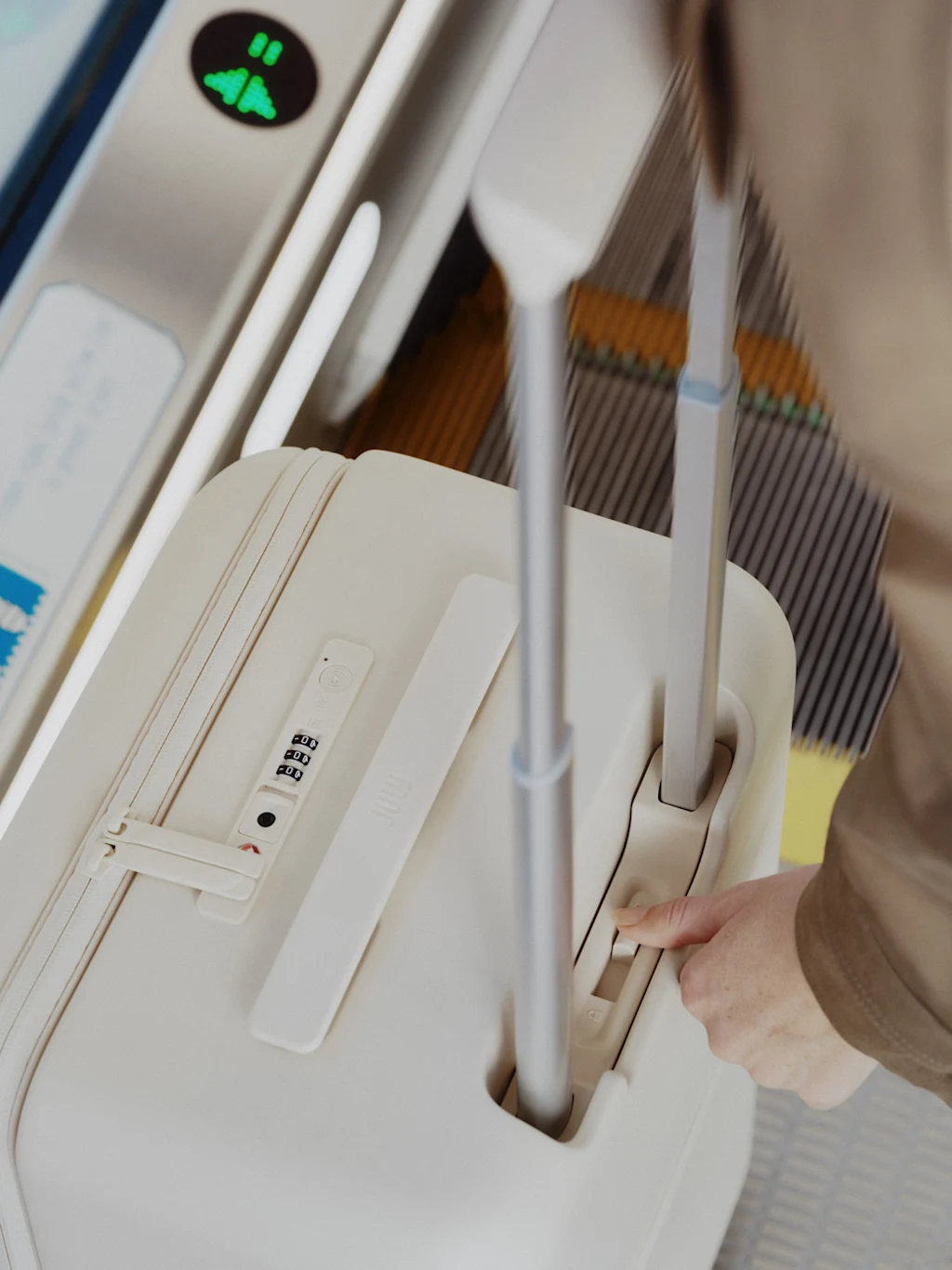
Two extra options spherical out the redesign. Vacationers complained about suitcases rolling away on prepare platforms and inclined airport walkways, so July engineered “SilentMove”: lockable wheels managed by a small change on the deal with base. And the bag ships with CaseSafe, July’s Transportation Security Administration-compliant lock with built-in monitoring through Apple Discover My and Google Discover My System.
Didaskalou says innovation has been core to July’s enterprise mannequin, and nowhere is that extra valued than within the Asia Pacific markets the place the model does important enterprise. July is opening shops in Singapore and Kuala Lumpur this yr. “As an Australian model, our home market is small, roughly 25 million individuals, so we have to have a world outlook,” he says. “We’ve discovered that within the Asian market, they love these little engineering particulars.”
That target product has additionally turn out to be a survival technique. Paravel, a sustainability-focused baggage startup, filed for chapter earlier this yr. Away, as soon as valued at $1.4 billion, has gone via a number of rounds of layoffs. Both companies grew fast on VC capital, then struggled to show a revenue. July took a special path.
“In Australia, we don’t have as a lot entry to capital, so we deal with the old-school enterprise techniques of development, profitability, and buyer satisfaction,” Didaskalou says. “We will’t simply change the colour of the suitcase and hope it will get individuals excited.”
